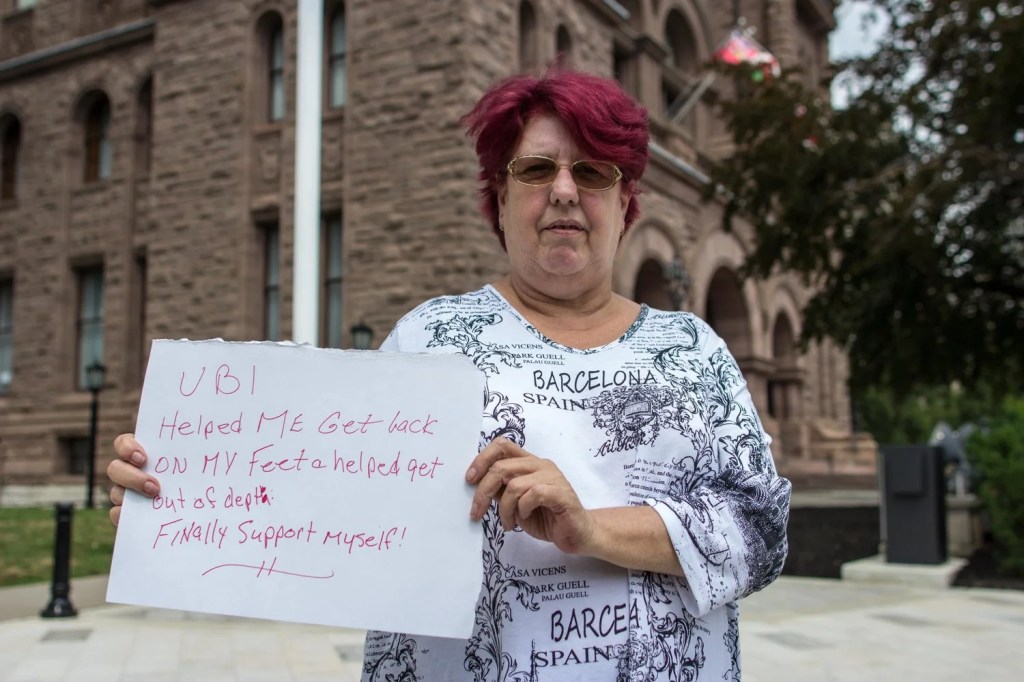
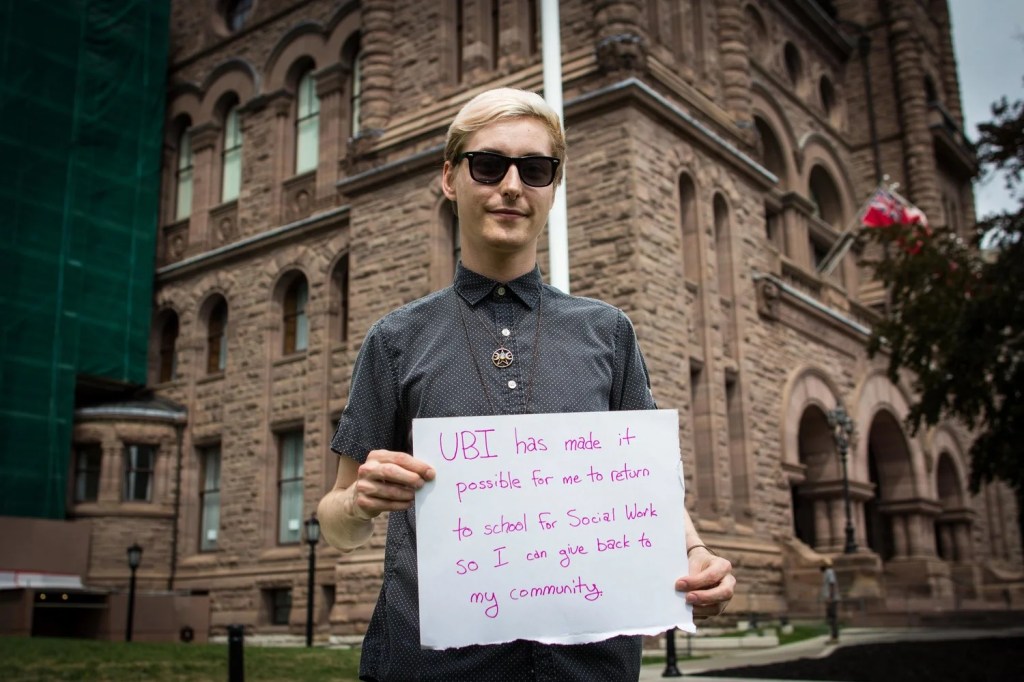
WHAT IS BASIC INCOME?
It’s a regular payment from the government that ensures everyone has enough to meet their basic needs so people can participate in society and build a life with stability, opportunity, and choice, regardless of their work situation.
You may hear different terms like basic income guarantee, universal basic income, or guaranteed livable income. While there are differences, they all share this core goal
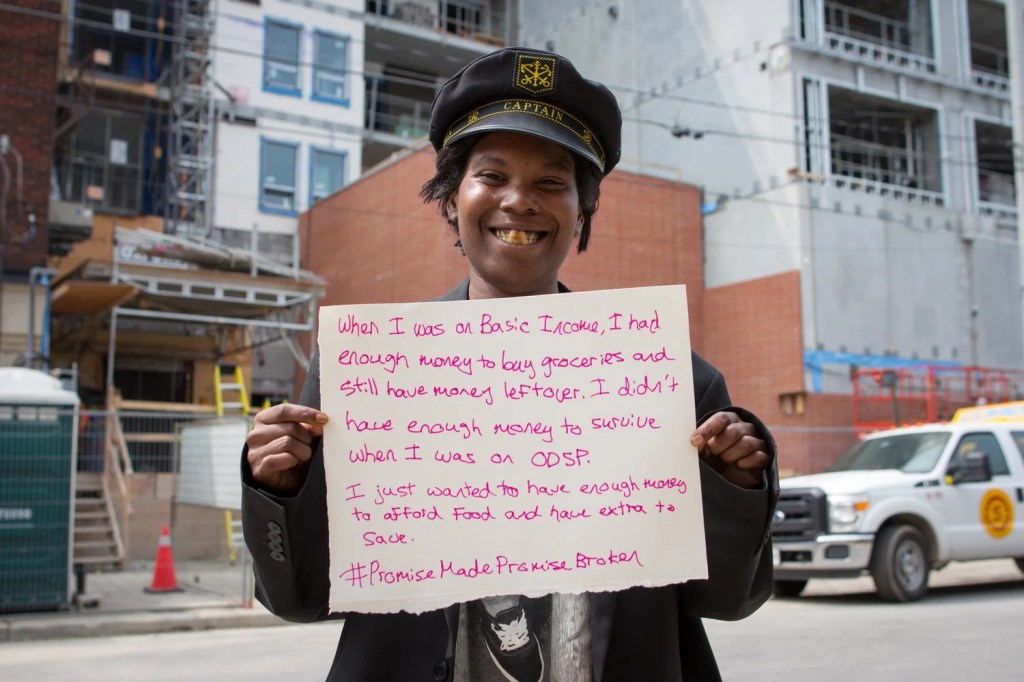
HOW WOULD IT WORK?
Basic income would be delivered through the tax system, similar to other benefits. This means:
- People who file a tax return could receive it
- It would replace some existing income supports
- It would work alongside programs like housing, healthcare, childcare, and disability supports
The goal is a system that is simpler, more reliable, and easier to access.
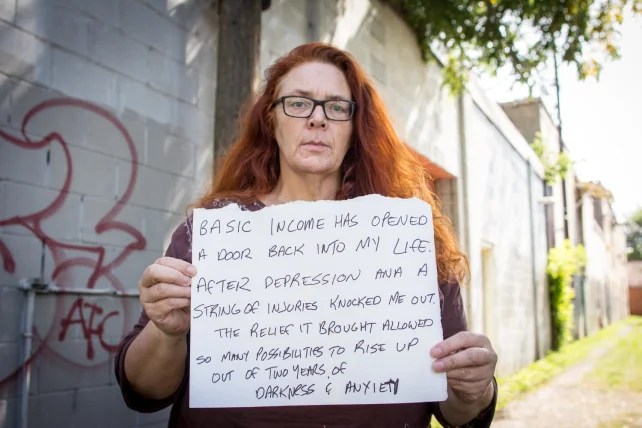
HOW MUCH WOULD IT BE?
The amount would be set to ensure a basic standard of living. That means enough to:
● Participate in community life
● Meet essential needs
● Maintain health and well-being
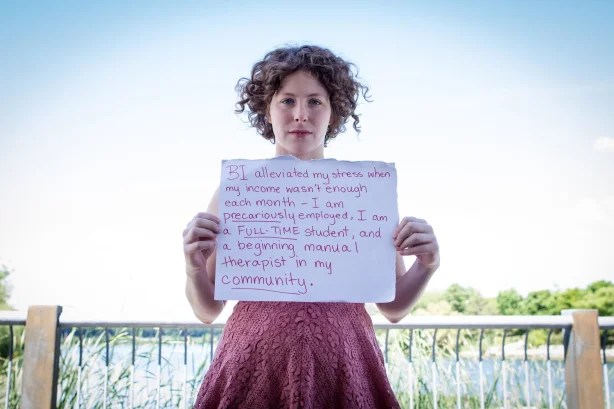
WOULD PEOPLE STILL WORK?
Yes.
People work for many reasons—purpose, connection, and building a better life. Research consistently shows that most people continue to work when they receive a basic income.
What changes is choice:
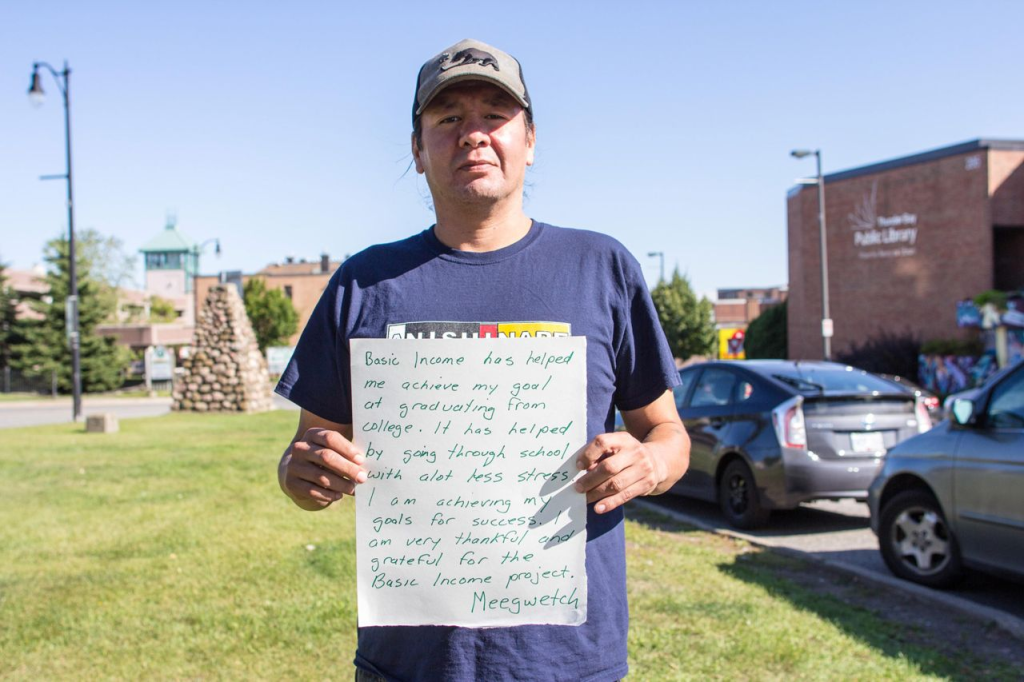
- People can pursue education or training
- Caregivers have more flexibility
- Workers can leave unsafe or unstable jobs
- Entrepreneurs can take risks
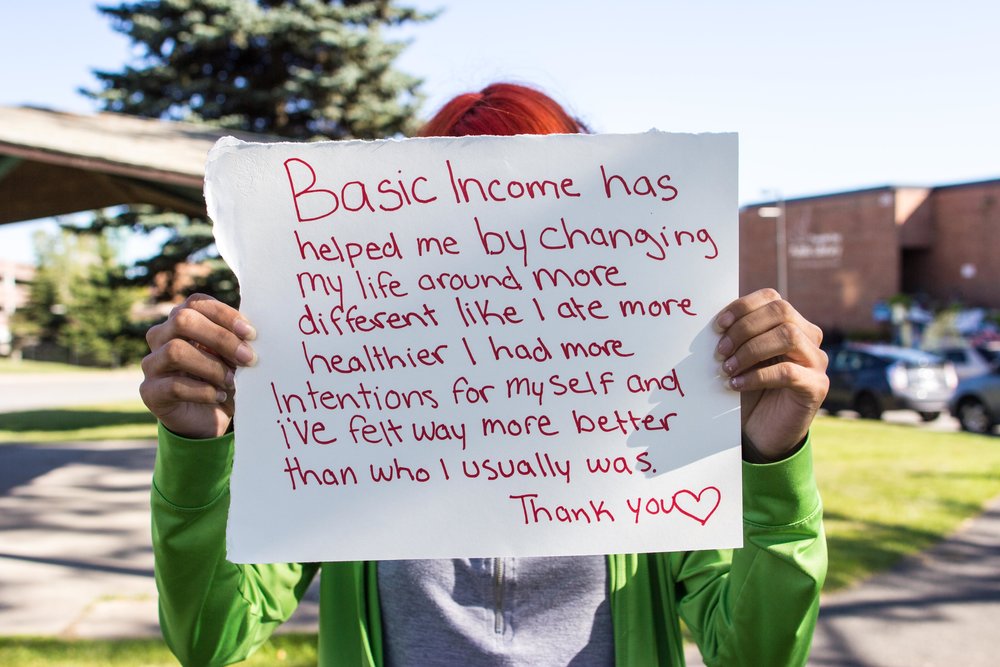
CAN CANADA AFFORD IT?
Extensive Canadian research shows that a basic income is achievable. Evidence has been developed by:
● National coalitions and policy experts
● The Parliamentary Budget Officer
● Basic Income Canada Network
● The Royal Society of Canada
● The Canadian Centre for Economic Analysis (CANCEA)
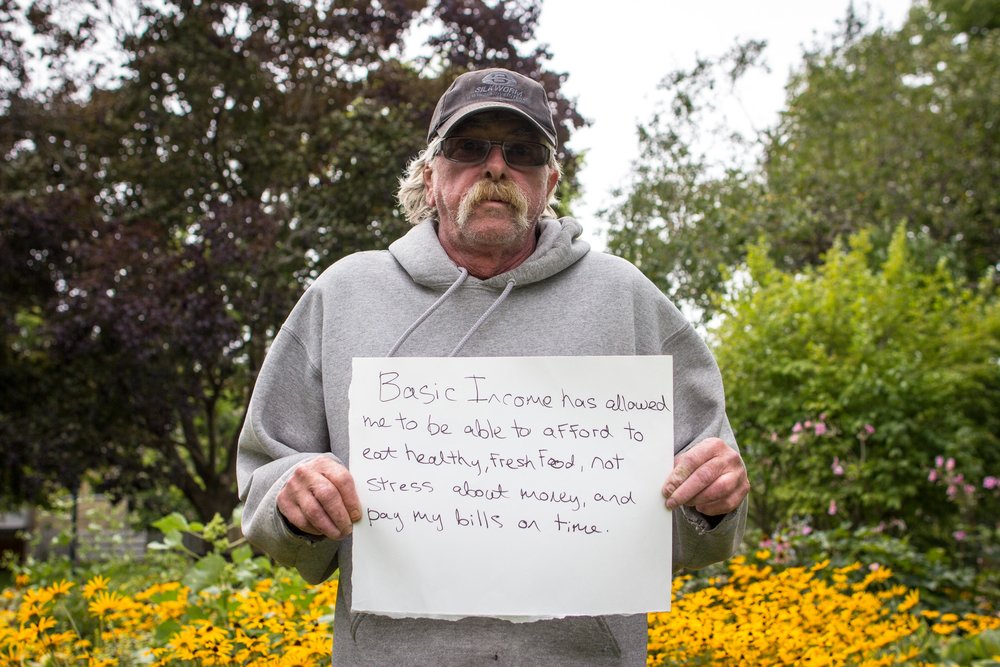
WHY DO WE NEED IT?
Too many people in Canada are struggling to make ends meet.
Millions live below the poverty line
Many households can’t cover basic expenses
Income inequality continues to grow
Our current system is complex, inconsistent, and leaves gaps that people fall through.
Income is a key social determinant of health. When people don’t have enough to live on, it affects every part of their lives, from physical and mental health to housing stability and long-term opportunity.
There is also a real cost to poverty. Estimates suggest poverty costs Canada tens of billions of dollars each year through increased healthcare use, pressure on social services, and lost productivity. Addressing poverty upstream is not only the right thing to do; it’s a smart investment.
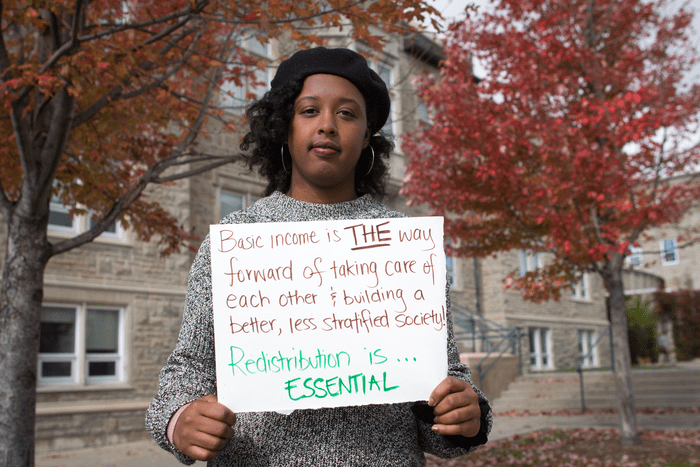
WHAT DIFFERENCE DOES IT MAKE?
Income shapes health, stability, and opportunity.
Research shows that basic income can:
- Improve food security
- Reduce stress and improve mental health
- Lower emergency healthcare use
- Support education outcomes
- Reduce crime
It also creates the foundation for people to:
- Start or grow a business
- Pursue education or training
- Navigate unstable work
- Care for family members
- Contribute more fully to their communities
A stronger foundation for everyone. Basic income is about building a society where everyone has what they need to belong, participate, and thrive.
WANT TO LEARN MORE?
Explore research, stories, and evidence on our News & Resources page.